
CONSTRUCTION INSIGHTS
What to Expect from a Construction Draw Inspection
What to Expect from a Construction Draw Inspection
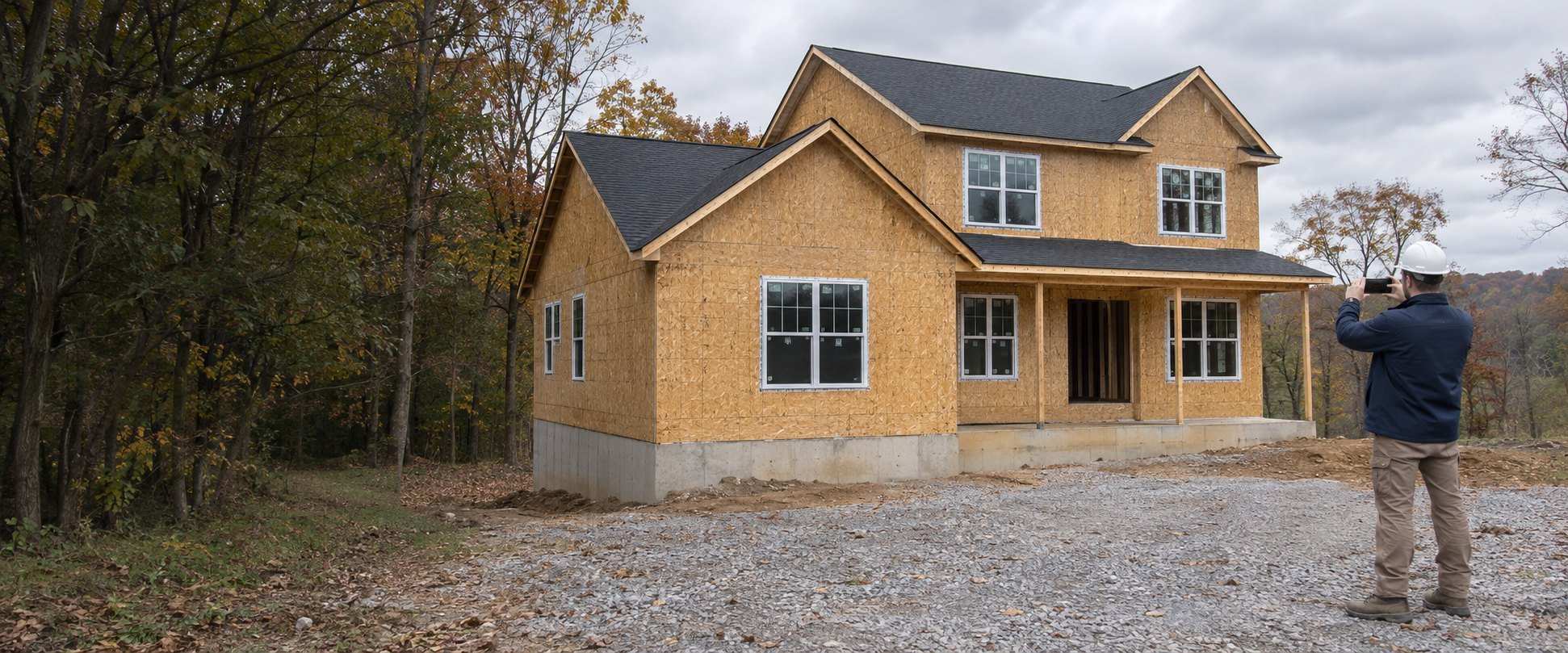
A construction draw inspection confirms that the work being paid for is actually in place. Here is what happens on site and what the lender receives.
Why Lenders Order Draw Inspections
On a construction loan, money goes out in stages as the work goes up. Before each release, the lender needs to know one thing: is the work being paid for actually in place?
A construction draw inspection answers that question. An independent inspector visits the site, compares what the builder has requested with what has been built, and reports back so the lender can fund the draw with confidence.
What Is a Construction Draw Inspection?
A draw inspection is a site visit made each time the borrower requests the next payment from a construction loan. It is usually ordered by the lender, sometimes through a loan management platform, and performed by a third party with no stake in the project.
The inspector does not work for the builder or the borrower. That independence is the point. The lender gets an outside view of progress before releasing funds, and the borrower gets a clear record that the money is going into work that is actually complete.
Draw inspections are used on custom homes, commercial buildings, healthcare and institutional projects, and major renovations. The size of the project changes the length of the report, not the purpose of the visit.
What the Inspector Checks on Site
Before the visit, the inspector reviews the draw request and the project budget, so the walk-through is aimed at the line items being billed. On site, the inspector looks at:
Work in place: what has actually been installed for each budget line, from foundation and framing to roofing, mechanical rough-in and finishes.
Percent complete: how far each line item has progressed, compared with the percentage the draw request claims.
Stored materials: materials delivered but not yet installed, and whether they are secured on site.
Site conditions: visible concerns that could affect the schedule, the budget or the lender's collateral.
The inspector documents what is visible on the day of the visit. Work covered by finishes, and work that has not started, is noted as such rather than assumed.
What the Report Includes
A good draw inspection report gives the loan officer what they need without making them interpret construction jargon. An Adkins Construction Group report includes:
Project and visit details: inspection date and time, weather, and who attended.
Site photos: a clear photo record of the work in place at the time of the visit.
Percent complete by line item: the percentage claimed in the draw request beside the percentage observed on site.
Draw reconciliation: the value claimed, the value supported by what was observed, and any difference.
Observations and concerns: numbered notes on anything the lender should know, written in plain language.
Inspector's statement: what the inspection covers and what it does not.
You can see the format in our sample commercial and residential reports.
When the Draw Request and the Site Don't Match
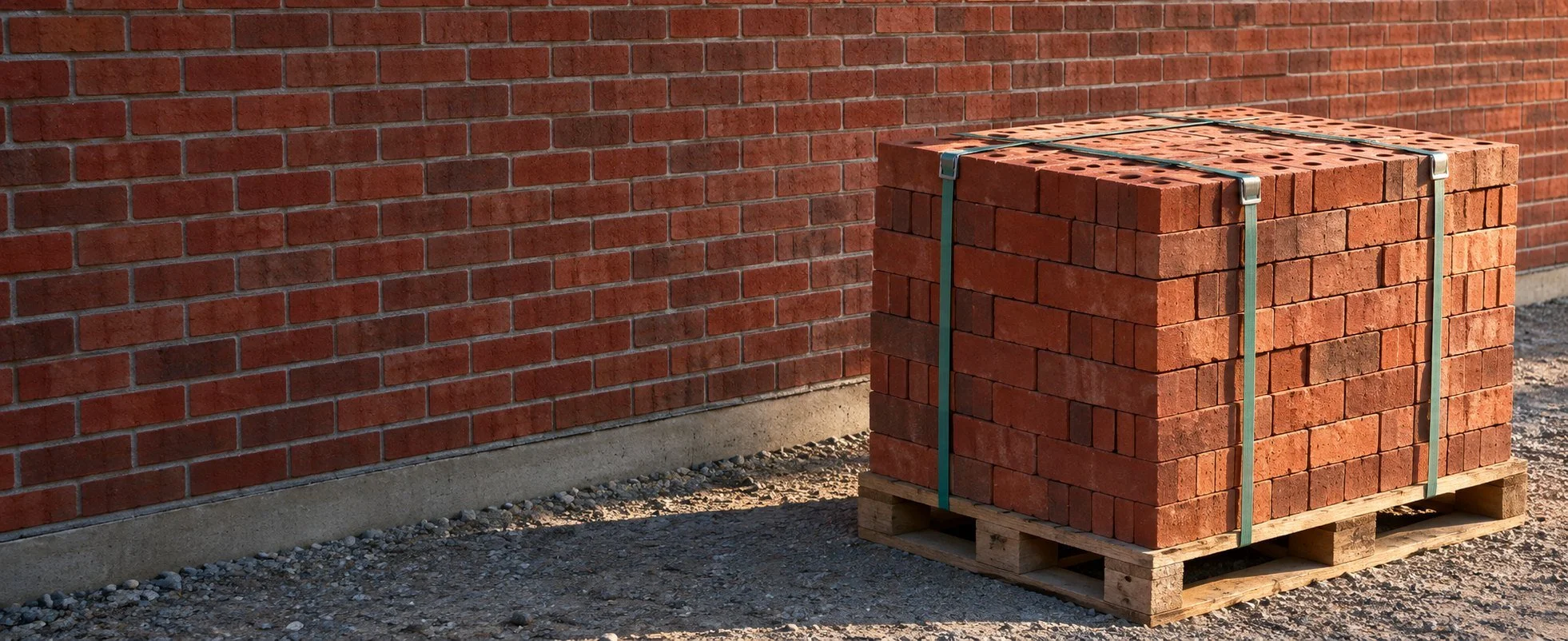
Most draws line up with what is on site. When they don't, it is usually timing, not trouble. A builder may bill for siding that starts next week, or count brick sitting on pallets as installed.
When the numbers differ, the report identifies the line item, states the percentage claimed and the percentage observed, and explains what was seen. For example, a request may claim 50 percent of windows and exterior finishes when the windows are in but the siding has not started. The report would show that line at 40 percent and note the difference in dollars.
The inspector reports what was observed. The lender decides what to fund. Keeping those roles separate protects the lender, the borrower and the builder alike.
Turnaround, Scheduling and Service Area
Our typical turnaround is 48 hours after the site visit. Scheduling depends on inspector availability and when the builder can provide site access, so the sooner a request comes in, the sooner the draw can move.
We can complete a single draw inspection or schedule return visits as the borrower submits each draw request. Adkins Construction Group serves the Ohio, Kentucky and West Virginia Tri-State area, including South Point, Ashland and Huntington. For projects farther away, send us the property address and we will confirm availability.
ACG currently performs third-party draw inspections for national construction loan management platforms. We bring the same process directly to community banks, credit unions and private lenders across the Tri-State, backed by more than 36 years of construction experience in the field, in estimating and in project management.
Need a Draw Inspection?
Whether you need one inspection or a visit for every draw through completion, Adkins Construction Group provides independent field observations, photo documentation and progress reporting you can rely on.
Learn more about our Lender Construction Services, view a sample report, or contact us to schedule an inspection.